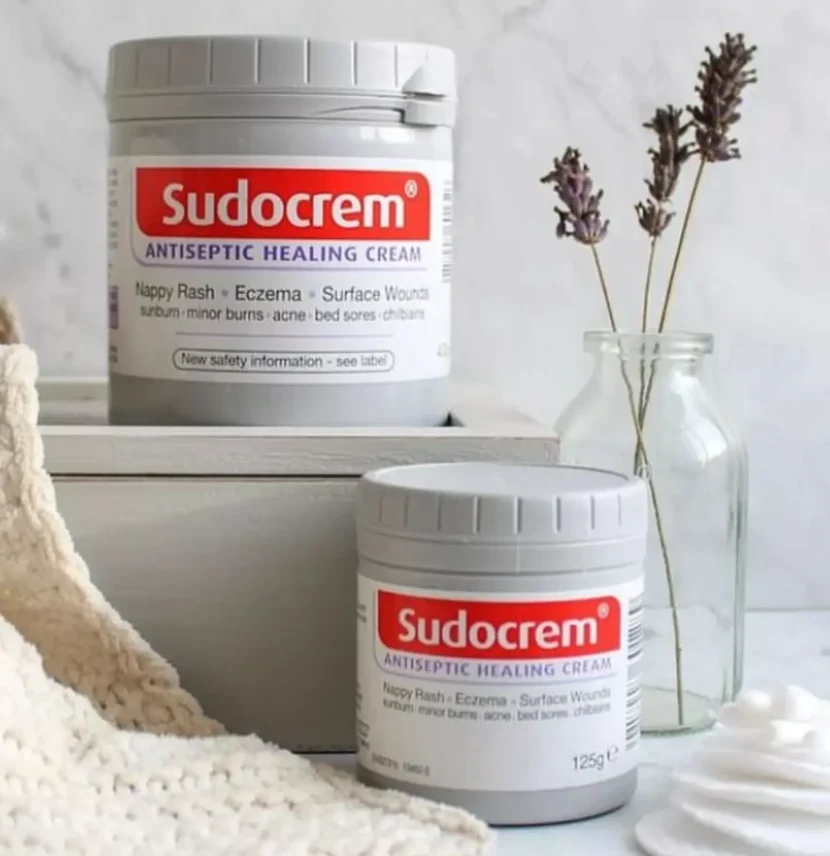
At Cosmetic Tattoo Studio Face Figurati, clients often ask, “Can you use Sudocrem on a cosmetic tattoo?” — especially during those first few flaky, awkward healing days. It’s a fair question, and one we also hear when someone’s wondering if they can ask for more numbing or tweak their aftercare. If you’re booked in (or thinking about it), the team at Cosmetic Tattoo Studio Face Figurati believes you deserve honest, grounded answers — not just marketing fluff.
Here’s the truth from behind the treatment bed — straight from a cosmetic tattoo artist who’s worked on thousands of faces, seen hundreds of healing journeys, and (sadly) corrected more than a few aftercare mishaps. Whether you’re new to cosmetic tattooing or coming in for a colour boost, this one’s worth the read.
The Quick Answer (But Keep Reading)
Technically? You can use Sudocrem on a cosmetic tattoo.
Should you? In most cases, probably not.
There are better aftercare products designed specifically for healing tattoos, especially when we’re talking about delicate, semi-permanent cosmetic tattooing procedures.
Why People Reach for Sudocrem in the First Place
If you grew up in Australia, chances are Sudocrem Healing Cream was the answer to just about everything: nappy rash, baby diaper rash cream, mozzie bites, rash cream, minor burns, even hormonal breakouts. It’s been a branded product staple for decades because of its antibacterial, antifungal, and soothing properties.
It’s officially classed as a licensed medicine and marketed as an antiseptic healing cream. Its ingredients include:
- Zinc oxide (barrier protection and anti-inflammatory)
- Benzyl alcohol (mild local anaesthetic and antiseptic)
- Benzyl benzoate and benzyl cinnamate (helps promote healing)
Sounds ideal for healing skin, right?
Well, not quite when it comes to a fresh cosmetic tattoo.
What Cosmetic Tattooed Skin Needs
Here’s the thing: a cosmetic tattoo isn’t just a surface-level scratch. It’s a controlled form of trauma designed to implant pigment into the upper dermis, whether it’s your 7th tattoo or your first temporary tattoo experiment.
That means we’re dealing with broken skin, an open wound (yep, really), and a highly specific healing environment. To heal properly, cosmetic tattooed skin needs:
- A clean, breathable barrier to protect against germs without suffocating the skin
- No heavy occlusives (like thick white creams or petroleum bases — sorry, but no, the cream by Vaseline works isn’t the best choice here)
- Support for moisture balance — not wet, not dry, just right
- Protection from irritants, UV, and bacteria
Sudocrem ticks some of those boxes — it does act as a barrier cream and has mild antiseptic properties — but the thick zinc base can trap heat and moisture, especially in warmer climates or on sensitive skin types. That’s not ideal for pigment retention or preventing patchy results.
Here’s a Comparison Table:
| Feature | Sudocrem | Professional Tattoo Aftercare Balm |
|---|---|---|
| Barrier Protection | Yes (zinc oxide) | Yes (light breathable film) |
| Antiseptic | Yes (benzyl alcohol) | Sometimes (if infused with healing botanicals) |
| Breathability | Low | High |
| Occlusive (traps moisture) | High | Low to moderate |
| Designed for Tattoos? | No | Yes |
| Risk of Fading Pigment | Moderate to High | Low |
What I’ve Seen in the Studio (Real Talk)
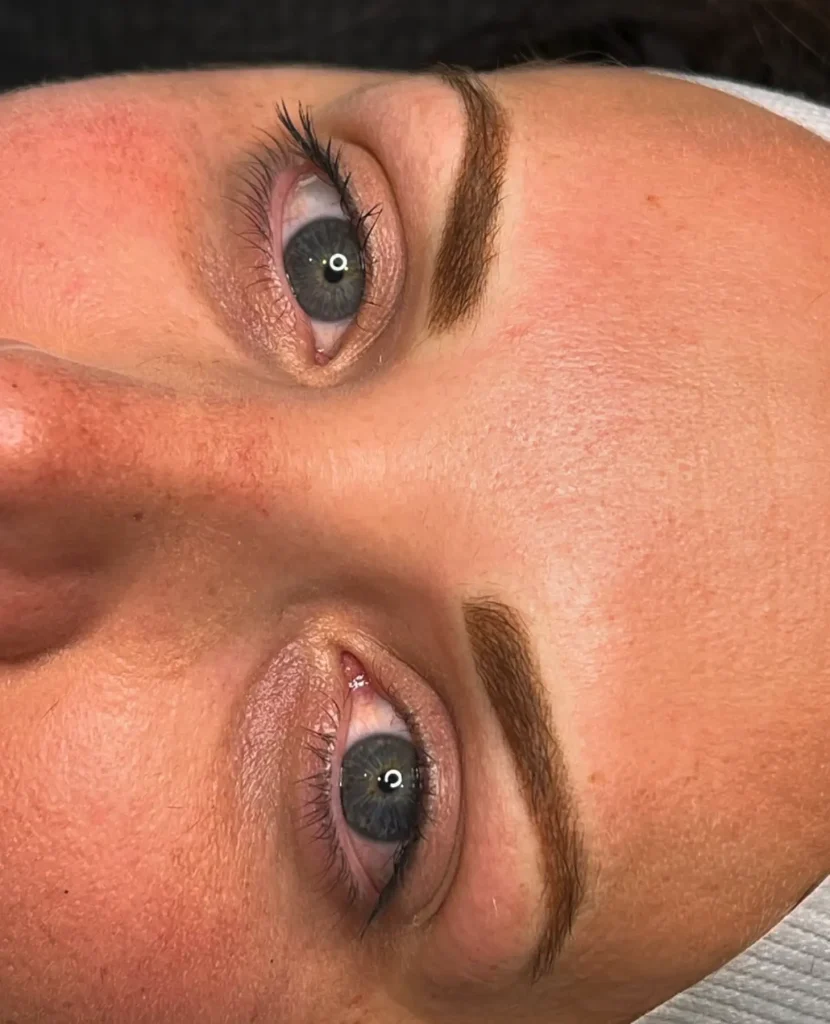
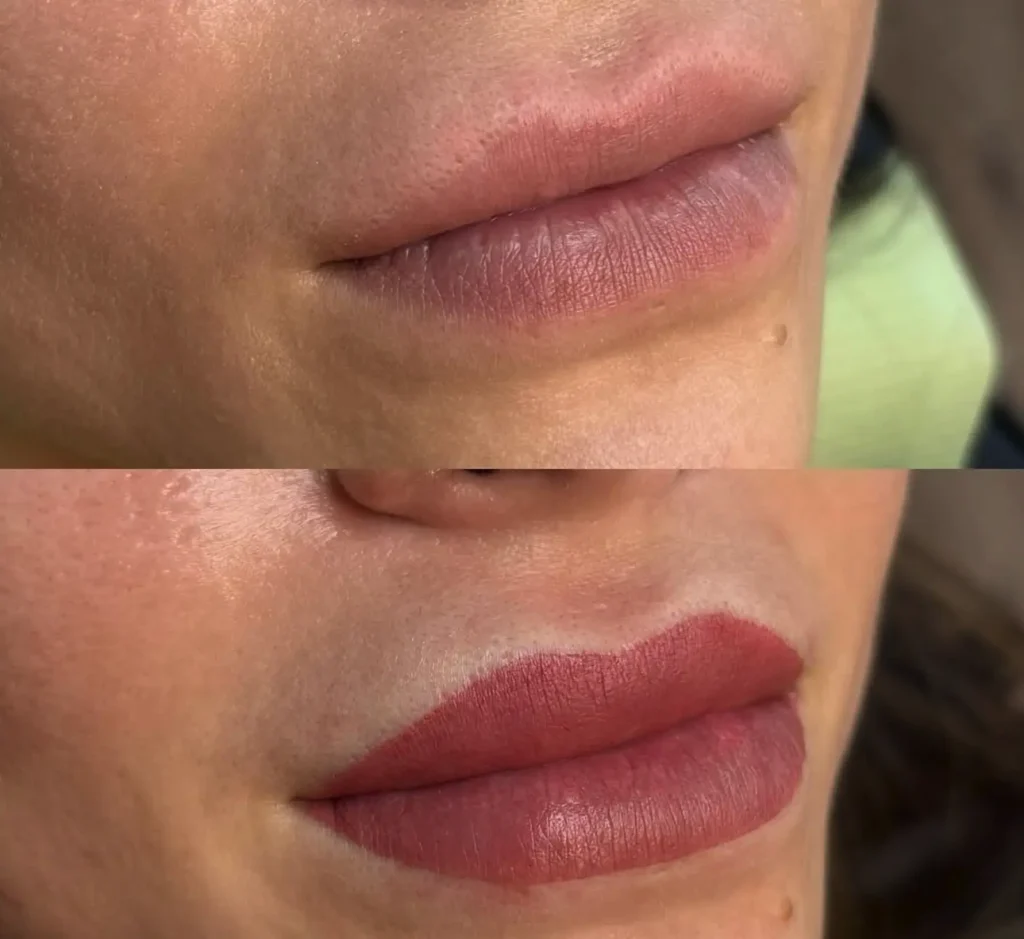
I once had a client come in for a lip tattoo touch-up, and her pigment had faded dramatically on the top lip. When I asked about her aftercare, she proudly told me she’d been using Sudocrem Care & Protect twice a day “because it stops the stinging.”
Unfortunately, that thick layer was suffocating the skin and disrupting how the pigment settled. Plus, her lips had over-exfoliated and dried out underneath.
This isn’t a one-off. I’ve seen eyebrow tattoos fade unevenly, eyeliner tattoos take longer to heal, and even a few minor allergic reactions to the fragrance or preservatives in Sudocrem Skin Recovery Cream. Some of the most common issues come from clients who’ve never had cosmetic tattooing Melbourne style treatments before and follow general skincare advice instead of targeted tattoo aftercare routines.
The 2025 Trend: Smarter Aftercare, Not More Products
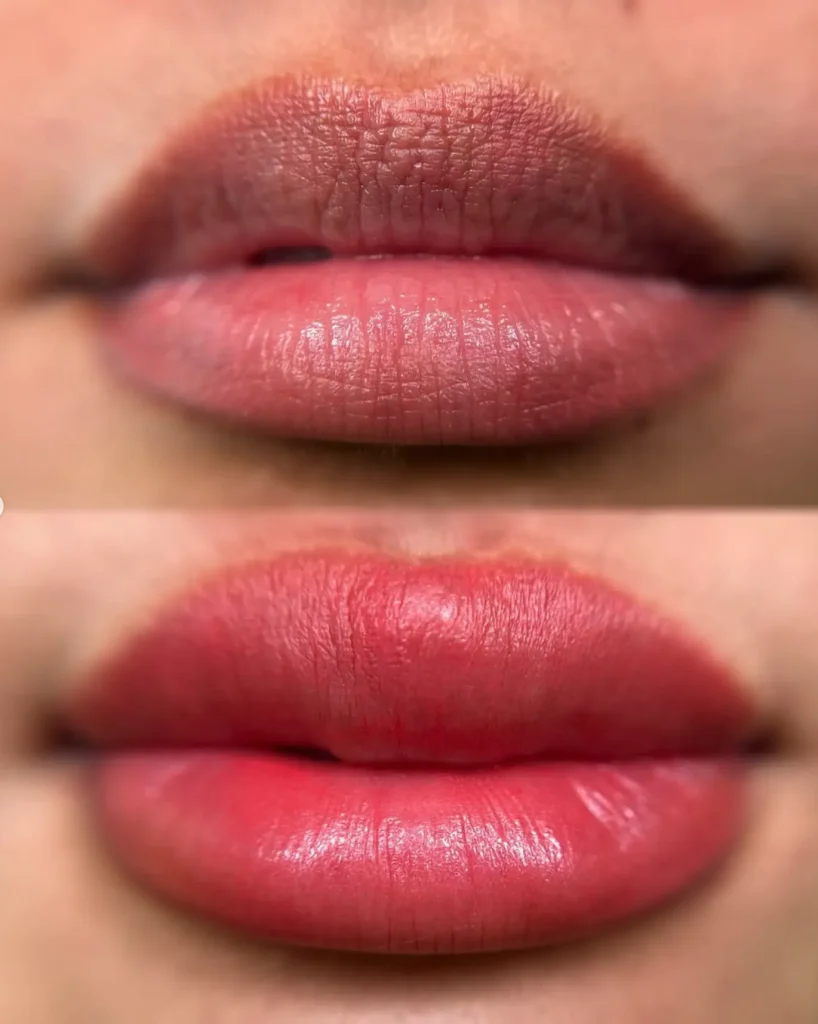
According to a 2025 report from the Australian Cosmetic Tattoo Association, nearly 72% of reported poor-healing cases were linked to incorrect or outdated aftercare. One of the most common culprits? Using the wrong healing products.
Clients are getting savvier. We’re seeing a rise in:
- Aftercare creams designed specifically for cosmetic tattooing
- pH-balanced gentle cleanser instead of harsh soaps or antibacterial soap
- Custom aftercare plans that account for chemical peels, laser treatments, or recent laser tattoo removal treatment
- Studio-issued balms with healing barrier cream qualities, like Bepanthen tattoo alternatives
- Skin prep reminders that include avoiding chlorinated pools, high-pressure water, fake tanning creams, and hot baths post-tattoo
What to Use Instead of Sudocrem
Here’s what I recommend (and stock in the salon):
- Cosmetic tattoo healing balms (like Skinful Beauty or Tina Davies Recovery)
- Fragrance-free, breathable barrier creams (thin layer only)
- Natural oils like jojoba or calendula (only if patch-tested)
- Sterile saline or lukewarm water to gently cleanse
- Non-soap gentle cleanser like Cetaphil Cream (not foaming)
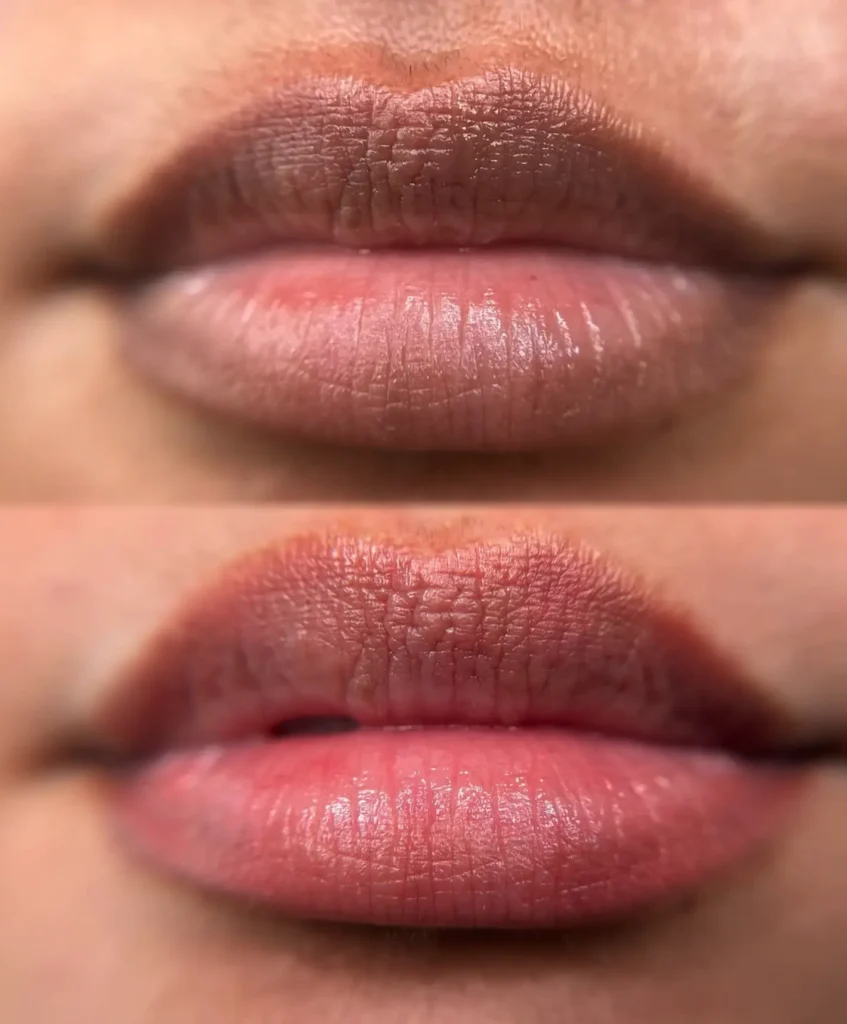
Bonus: Some of our clients swear by soothing add-ons like Dermalogica Calm Water Gel or a light spritz of Avene Thermal Water Spray during that dry, itchy phase. We especially recommend this for cosmetic lip tattooing, where the healing can be more prone to dryness and flaking.
The Exception: When Sudocrem Might Be Okay
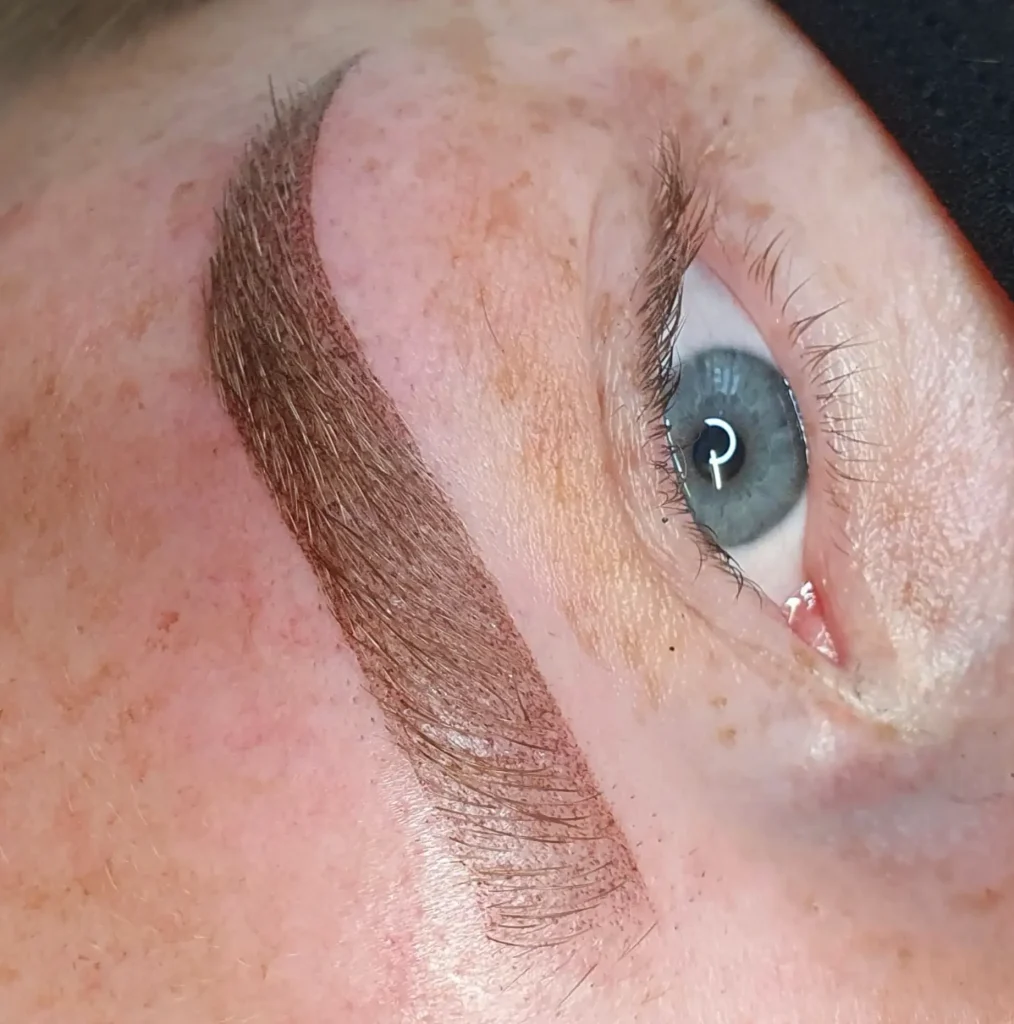
If you’re stuck, travelling, or dealing with an inflamed spot that looks a bit angry, a micro-thin dab of Sudocrem for one or two nights won’t ruin everything.
Just don’t make it your go-to tattoo aftercare solution. Think of it like borrowing your mate’s eye cream — not ideal, but okay in a pinch.
Always patch test first, and stop using it if:
- Your tattooed skin feels hotter or itchier
- You notice excessive dryness or flaking
- The colour of tattoos looks like it’s breaking up or blurring
Cosmetic Tattoo Healing Timeline: What to Expect
| Day | What’s Happening | Do/Don’t |
|---|---|---|
| 1-2 | Slight swelling, tenderness | Gently blot with saline or lukewarm water, apply balm |
| 3-5 | Flaking begins, colour may darken temporarily | Don’t pick or scrub — let flakes fall naturally |
| 6-10 | Peeling finishes, colour lightens | Keep moisturised, avoid bath puff, steam rooms, sun |
| 11+ | Colour settles into skin | Book a touch-up in 3-4 weeks or 4-6 weeks, avoid alcohol consumption or alcohol intake before sessions |
Final Thoughts
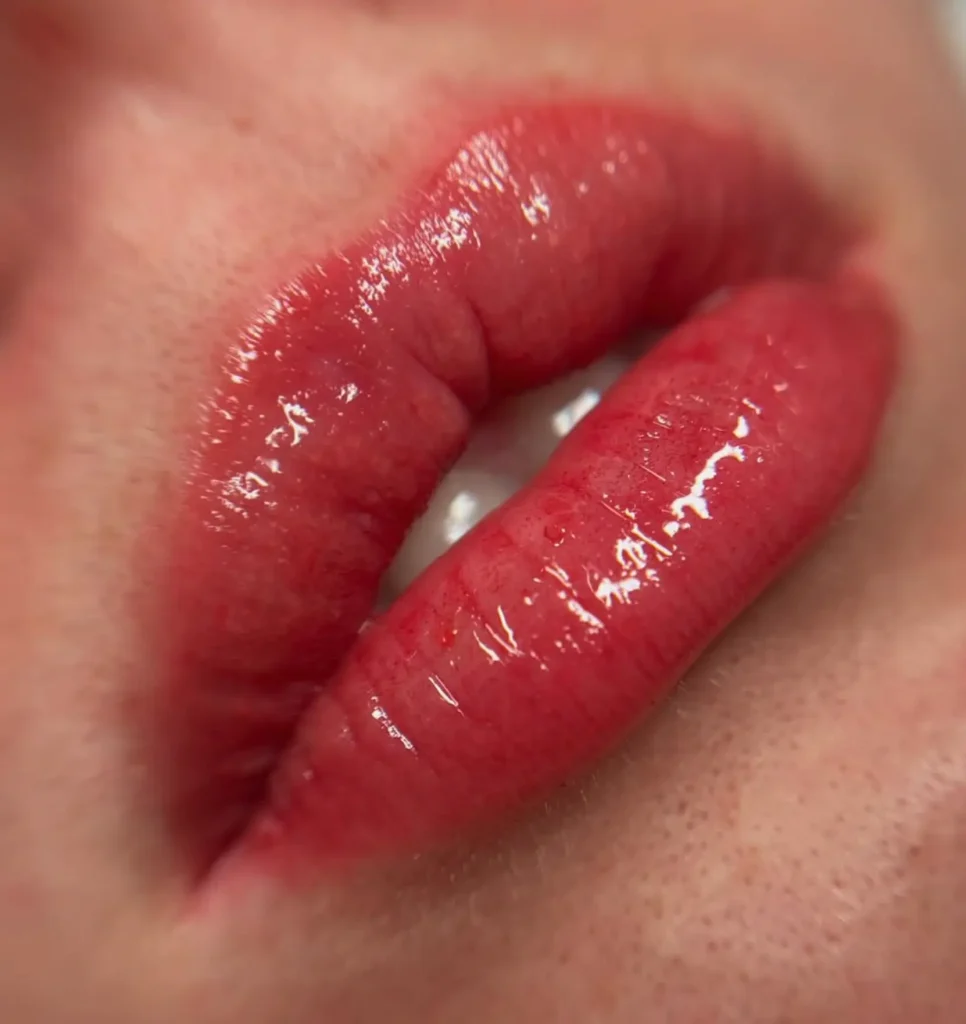
Can you use Sudocrem on a cosmetic tattoo? Technically, yes. But there are far better choices out there for your body art, whether it’s a fresh eyeliner tattoo or a subtle lip blush.
Let’s not forget: cosmetic tattooing the face isn’t just about aesthetics. It’s a mix of medical device precision, skin sensitivity, and long-term skin behaviour.
Use the right healing cream, trust your cosmetic tattoo artist, and keep your healing times stress-free — so you won’t end up Googling “why is my pigment fading after a couple of weeks?” while dabbing goo from time.
FAQs
Is Sudocrem safe to use on lips after cosmetic tattooing?
It’s not unsafe, but not recommended. Lips need moisture without occlusion. Sudocrem is too thick and can delay healing or disrupt pigment.
Can Sudocrem cause allergic reactions on tattooed skin?
Yes, in some cases. Ingredients like benzyl alcohol and preservatives can irritate sensitive or broken skin, especially during healing.
Why do some tattoo artists still suggest Sudocrem?
Old habits die hard. Some still rely on traditional diaper rash creams or baby products. But in 2025, most professionals recommend modern, tattoo-specific care.
What should I do if I’ve already used Sudocrem on my brows or lips?
Stop, gently cleanse the area with lukewarm water or a gentle cleanser, and switch to a breathable, tattoo-specific balm. Monitor for irritation.
Can I use Sudocrem on older, healed cosmetic tattoos?
Yes, as a general healing barrier cream, it’s fine. But avoid before touch-ups or laser tattoo removal, as it can affect the intensity of tattoo ink or how your skin responds to treatment.