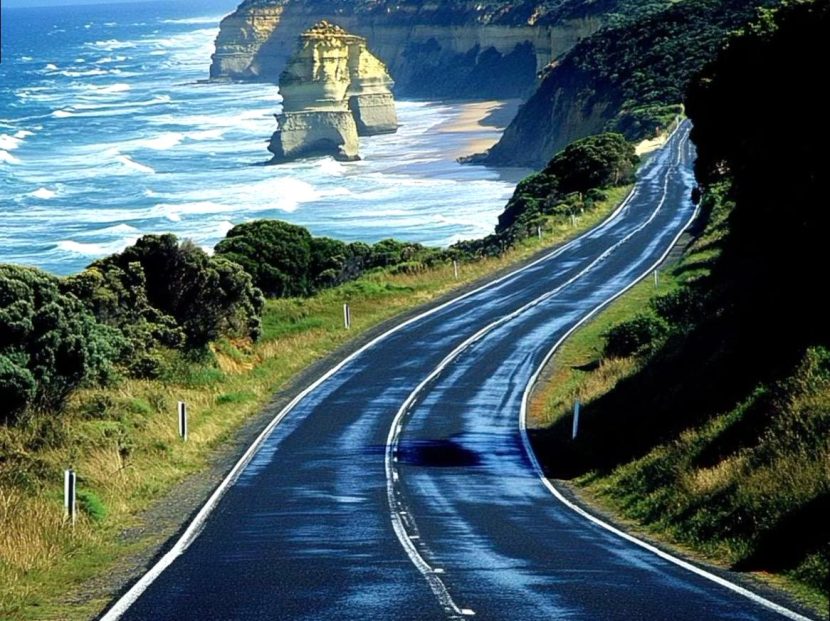
The Twelve Apostles stand as one of Australia’s most treasured natural wonders, attracting travelers and photographers from around the globe. Nestled along the stunning Great Ocean Road, these towering limestone stacks rising majestically from the Southern Ocean create a dramatic coastal landscape. As you prepare to Photograph the Twelve Apostles, you’ll discover not only their breathtaking beauty but also a rich tapestry of natural history and environmental significance that enhances their allure. This article will guide you through the essentials of photographing this iconic site, providing tips, historical context, and details about the surrounding attractions that amplify your photographic experience.

History and Formation of the Twelve Apostles
The Twelve Apostles were formed over millions of years through a combination of erosion and geological processes. Initially part of the mainland, these limestone cliffs were shaped by the relentless forces of wind and water. As the waves crashed against the cliffs, they gradually wore them away, leading to the creation of caves and, eventually, sea arches. Over time, these arches collapsed, leaving behind the towering stacks we see today. Geological studies suggest that these magnificent formations are continuing to evolve, constantly changing with the elements of nature. Historically, the area was significant to the Indigenous Australian tribes who have inhabited the coastal regions for thousands of years. They revered the land and its features, which serve as cultural landmarks, adding to the intrigue of the Twelve Apostles.
Best Times to Visit
Timing is everything when it comes to capturing the perfect photograph of the Twelve Apostles. The golden hours—early morning and late afternoon—provide the most beautiful light, accentuating the formations’ textures and colors. Sunrise generally offers a serene atmosphere with fewer crowds and a soft glow illuminating the stacks, while sunset paints the sky with vibrant hues, creating stunning backdrops for photography. Additionally, seasons can play a pivotal role in your experience. During spring and autumn, the weather is often stable and clear, leading to ideal conditions for photography. However, those willing to brave the winter months may find the landscapes draped in fog or kissed by a light snowfall, adding unique character to their photographs. Planning your visit around these factors can significantly enhance your photographic outcomes.
Essential Photography Tips
To achieve magnificent photographs of the Twelve Apostles, knowing a few key photography techniques can make all the difference. Here are some practical tips to consider:
- Composition: Use leading lines and the rule of thirds to create dynamic and engaging images. Position the Apostles to one side or use the coastline as a leading line to draw the viewer’s eye into the photograph.
- Lighting: Emphasize the textures of the rocks and the waves by taking advantage of side lighting during sunrise or sunset. This will help you showcase the dramatic features of the Apostles.
- Filters: Consider using polarizing filters to manage reflections on the water and saturate the colors of the rock formations.
Moreover, experimenting with long exposure settings can creates ethereal effects on the water, softening waves and blurring movement. Make sure to scout different angles and perspectives, as the Twelve Apostles offer numerous viewpoints that can lead to diverse and creative shots. Always keep an eye on the weather as well; unpredictable clouds may enhance the drama of your photographs. Investing some time in practice before your trip will lead to stunning results.

The Best Viewing Platforms
Several designated viewing platforms offer optimal locations for photographing the Twelve Apostles. Four primary viewing areas provide panoramic insights into this magnificent scenery, enabling you to get closer to the action while still being safe. The following table highlights the best spots:
| Viewing Platform | Distance from Carpark | Best Time for Photos |
|---|---|---|
| Main Viewing Area | 200 meters | Sunrise/Sunset |
| Gibson Steps | 2 kilometers | Midday for unique perspectives |
| Loch Ard Gorge | 10 kilometers | All day |
| Razorback Lookout | 9 kilometers | Dusk for silhouette shots |
Each of these platforms showcases the Apostles from different perspectives, ensuring a diverse range of photographic opportunities. The accessibility and facilities at these platforms make them ideal for photographers of all levels. Be mindful of the weather conditions when selecting your viewing point, as this can dramatically alter the photogenic quality of the landscape.
Nearby Attractions
In addition to visiting the Twelve Apostles, several nearby attractions enhance your photographic journey. The Great Otway National Park is a treasure trove of lush rainforests, magnificent waterfalls, and diverse wildlife, providing ample material for photography enthusiasts. You’ll encounter towering trees and scenic hiking trails, ideal for capturing nature in its raw form. Loch Ard Gorge is another must-see, renowned for its dramatic cliffs and a striking beach that gives additional context to the history of the shipwreck that once occurred there. Along this journey, you may come across various viewpoints that offer stunning coastal vistas, making each stop a worthy exploration for any photographer aiming to capture the essence of Australia’s remarkable landscapes. Don’t forget to have your camera ready for the multitude of opportunities that await.

Wildlife Encounters
The area surrounding the Twelve Apostles is rich in biodiversity, offering a great opportunity to photograph a variety of wildlife in their natural habitats. From seabirds soaring above the sea stacks to kangaroos grazing in the nearby fields, the region teems with life. Birdwatchers will especially delight in taking snapshots of the many coastal bird species, including the striking Australian pelican, which often glides over the waves. Early mornings are the best times for observing wildlife, as many animals are most active during these hours. When photographing wildlife, it is crucial to practice patience and respect for their environment. Taking your time allows for candid moments to be captured, showcasing the essence of Australian fauna. Remember to keep your distance and use a telephoto lens for a better shot while minimizing disturbance to the animals.
Travel Tips for Photographers
Planning your trip to photograph the Twelve Apostles can greatly enhance your experience and your photographic outcomes. First, creating a checklist of essential gear is advisable, including cameras, lenses, tripods, batteries, and memory cards. Here are some practical travel considerations to keep in mind once you’ve ensured your equipment is in order:
- Accommodation: Research nearby lodging options, ranging from hotels to camping spots. Consider staying in Port Campbell for proximity to the Apostles, ideally allowing for early or late visits to maximize lighting conditions.
- Transportation: A reliable vehicle is essential for reaching various viewpoints along the Great Ocean Road, as public transport options are limited. Renting a car or campervan can provide flexibility in your schedule, allowing you to chase ideal lighting and weather conditions.
- Weather Preparedness: Always check the weather forecast before your trip, as conditions can change rapidly along the coast. Bringing layers of clothing will help you stay comfortable, especially during cooler evenings or mornings.
Additionally, keeping local maps or GPS handy can help navigate your routes efficiently. Familiarize yourself with the location of viewpoints and amenities to avoid losing precious time. Lastly, familiarize yourself with basic first aid in case of any bumps or scrapes while exploring the rocky coastline.

Environmental Considerations
As a photographer, it is essential to promote sustainable practices while visiting the Twelve Apostles and its surroundings. These landscapes are not only visually stunning but also ecologically significant, and responsible behavior can help preserve their beauty for future generations. To start, always stick to designated paths and viewing areas to minimize your impact on fragile ecosystems. Avoid climbing on the stacks or interfering with wildlife habitats, as this could potentially cause harm. When photographing, use eco-friendly products such as natural cleaning solutions for your gear and avoid single-use plastic items. Here are a few more tips on how to practice environmental responsibility while capturing images:
- Leave No Trace: Dispose of all trash properly and take all personal items with you when you leave. Ensure that your visit leaves no negative impacts on the landscape.
- Be Mindful of Lighting: While capturing sunrises or sunsets, remember to respect the natural cycles by minimizing artificial light sources which disrupt nocturnal wildlife.
By adopting environmentally conscious practices, you not only ensure the preservation of these stunning locations but also inspire others to cherish and protect natural treasures. Great photography is enhanced by a deep appreciation for nature, culminating in images that convey both beauty and respect for the environment.
Conclusion
Photographing the Twelve Apostles presents an extraordinary opportunity to capture one of Australia’s most iconic natural landmarks. By understanding the historical significance, planning your visit for the best times, and employing essential photography techniques, you can create stunning images that truly reflect the majestic beauty of this unique coastline. Furthermore, being mindful of the surrounding wildlife and environment is crucial in preserving the area’s natural heritage. With your camera in hand, respect for nature in mind, and an adventurous spirit, you will undoubtedly create impactful photographs while enjoying all the breathtaking views that the Twelve Apostles have to offer.
FAQs
Q1: Are there guided photography tours available for the Twelve Apostles?
A1: Yes, several local companies offer guided photography tours specifically tailored to capture the stunning landscapes of the Twelve Apostles, allowing for expert tips and valuable insights.
Q2: Is there a specific season when wildlife is more visible near the Twelve Apostles?
A2: Wildlife visibility can vary throughout the year; however, spring and summer often provide more opportunities to see animals, as many species are nesting and active during these warmer months.
Q3: Can I fly a drone for photography in the Twelve Apostles area?
A3: Drone use is restricted in many national parks, including the Twelve Apostles site; thus, checking local regulations is essential before planning to use a drone for photography.
Q4: What types of lenses are recommended for photographing the Twelve Apostles?
A4: A wide-angle lens is ideal for capturing the vast landscapes, while a telephoto lens can help in isolating individual Apostles and capturing distance shots.
Q5: Are there facilities available at the viewing platforms, such as restrooms or picnic areas?
A5: Yes, several viewing platforms near the Twelve Apostles have restroom facilities and designated picnic areas, making your visit more comfortable.