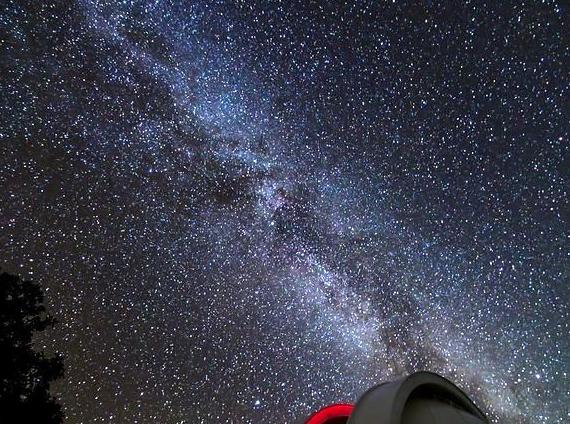

Stargazing with astronomers offers a captivating opportunity to broaden your understanding of the night sky and deepen your appreciation for the universe. These experts can guide you through the vast expanse of stars, planets, and celestial phenomena, helping to illuminate the complexities of astronomy in a way that’s engaging and accessible. Whether you’re a novice or a seasoned sky watcher, learning from astronomers enhances the overall experience and enriches your knowledge. In this article, we explore the benefits of stargazing with astronomers, the tools they use, and what you can expect during these enlightening experiences.
Benefits of Stargazing with Astronomers
Engaging in stargazing sessions alongside astronomers comes with numerous advantages. Firstly, astronomers possess extensive knowledge, allowing them to explain intricate concepts in relatable terms, making astronomy less intimidating for beginners. Secondly, they offer access to powerful telescopes and instruments that amateur stargazers might not have at their disposal. Thirdly, these sessions provide opportunities for hands-on learning, where participants can operate telescopes and learn how to locate celestial bodies effectively. Moreover, observing the stars in a group setting fosters a sense of community, as discussions can spark friendships among like-minded enthusiasts. Finally, astronomers often have updates about upcoming celestial events, enriching your viewing experience by preparing you for what to look for next.
The Tools of Astrophotography
Astronomers utilize a variety of tools that enhance the stargazing experience. Here’s a brief overview of the most common tools used by professionals during these sessions:

- Telescopes: Essential for magnifying celestial objects, they come in different types such as refractors, reflectors, and compound telescopes.
- Binoculars: Handy for those looking to quickly scan the night sky, offering a portable option for casual stargazers.
- Star Charts and Apps: Astronomers often reference star charts or mobile apps that help identify stars, planets, and constellations based on your location.
- Camera Equipment: For astrophotography enthusiasts, specialized cameras and lenses are used to capture stunning photos of celestial events.
- Light Pollution Filters: These filters help reduce light pollution interference, allowing a clearer view of the night sky.

Having access to these tools not only fuels excitement but also provides hands-on experience in using professional-grade equipment that many enthusiasts can aspire to own one day.
What to Expect During Stargazing Events
When you join a stargazing event led by astronomers, you can anticipate an itinerary filled with enlightening activities. Typically, the evening begins with an introductory talk where the astronomer discusses the features of the night sky, including the layout of constellations and special celestial events that may be occurring. Following this, participants usually have the chance to view planets, stars, and other celestial objects through telescopes set up at strategic locations. During the observation, astronomers will offer insights about what you are seeing, detailing the history and significance of each celestial body explored. There are also Q&A sessions allowing attendees to ask specific questions they’ve always been curious about. As a result, you not only get to observe but also understand the wonders surrounding you.
Enhancing Your Stargazing Skills

To make the most out of your stargazing sessions, consider the following tips that will enhance your skills and knowledge:
- Learn the Basics: Familiarize yourself with the major constellations and their stories to enrich your experience.
- Utilize Apps: Download stargazing apps on your smartphone that can help identify constellations and celestial objects.
- Be Patient: Great celestial views take time; allow your eyes to adapt to the dark for optimal observation.
- Ask Questions: Take advantage of the expertise around you—never hesitate to ask the astronomers for clarity or deeper insights.
- Keep a Stargazing Journal: Documenting your observations and experiences will improve retention and provide a personal record of your adventures.
These practices will enhance your confidence and enjoyment while exploring the cosmos!
Conclusion
Stargazing with astronomers presents a unique opportunity to learn about the stars in an interactive and engaging manner. By participating in these events, you not only get to witness the beauty of the night sky but also gain valuable knowledge from those who are passionate about astronomy. Utilizing various tools and techniques shared by professionals enhances your skills and understanding, resulting in a richer experience overall. So whether you’re looking to deepen your existing interest in astronomy or explore it for the first time, seeking out stargazing events with astronomers will surely leave you starry-eyed and inspired.
Frequently Asked Questions
It’s advisable to bring a blanket or chair for comfort, snacks or beverages, a flashlight (preferably with a red filter), and a stargazing app or guidebook to enhance your experience.
2. Are stargazing events suitable for children?
Yes, many stargazing events are family-friendly and designed to engage audiences of all ages. Check the event details for specific activities aimed at children.
3. How can I find stargazing events in my area?
You can check local planetarium websites, astronomy clubs, or community event listings for upcoming stargazing events.
4. Do I need to be knowledgeable about astronomy to participate?
Not at all! Stargazing events welcome everyone, from novices to experienced stargazers. Professionals will guide you, making learning seamless and enjoyable.
5. What is the best time of year for stargazing?
The best time often depends on local weather conditions, but generally, clear nights away from city lights yield the best results. Seasonal celestial events, like meteor showers, can also provide spectacular viewing opportunities.