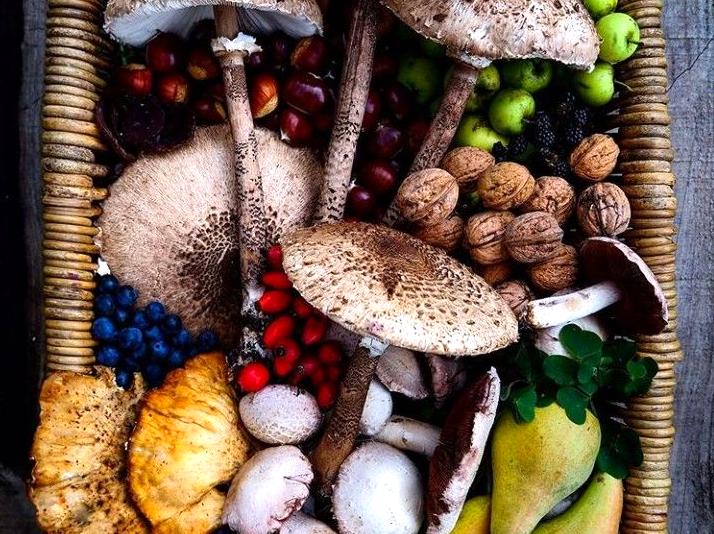

Foraging for wild mushrooms in season offers a unique opportunity to connect with nature while discovering a culinary delight. Each season presents its own variety of mushrooms, each with distinct flavors and characteristics. From spring’s tender morels to autumn’s abundant chanterelles, mushroom foraging can be rewarding, educational, and, most importantly, delicious. Understanding the seasonal patterns is essential, as proper timing not only maximizes your chances of a successful forage but also ensures you enjoy mushrooms at their freshest. In this article, we will explore the best practices for seasonal wild mushroom foraging, including tips, safety guidelines, and key mushroom types to lookout for.
Understanding Seasonal Growth Patterns
Mushrooms are unique organisms that tend to follow specific seasonal growth patterns dependent on weather, humidity, and temperature. Generally, mushrooms thrive in moist conditions, making spring and fall the prime seasons for foraging. In spring, when soil temperatures begin to rise, many mushrooms emerge, notably the highly sought-after morels, which require specific soil conditions to thrive. As summer approaches, the number of available mushrooms tends to diminish, but with the right conditions, you may still find a few varieties such as chanterelles. When fall returns, the mushroom activity surges again, presenting opportunities to find diverse types like porcini and oyster mushrooms. This cyclical growth also means that foragers must educate themselves about the seasons and the types of mushrooms that flourish during those months.

Key Regions for Foraging
The best regions for mushroom foraging vary depending on your location, but certain ecosystems typically yield higher mushroom populations. Moist woodlands, deciduous forests, and areas of deep leaf litter are often prime spots to hunt for mushrooms. Additionally, riverbanks and meadows that offer rich organic material can host a variety of species. It’s essential to investigate local regulations as well, as some areas may have restrictions on foraging, and protected lands may require permits or have seasonal limitations. Furthermore, being aware of local mushrooms that grow in clusters or near specific trees can help enhance your foraging experience. It’s wise to carry a guidebook or an app on your phone that can assist in identifying safe mushrooms while foraging.
Essential Equipment for Success
To embark on a productive foraging adventure, you’ll need specific equipment designed to enhance your experience while ensuring the safety of your finds. A sturdy basket or mesh bag is ideal for collecting mushrooms, as this allows air circulation and prevents spoilage. A small knife can assist in harvesting mushrooms properly, allowing you to cut them cleanly without damaging the underlying mycelium. It’s also wise to bring a field guide or smartphone app for instant identification, thus minimizing the risk of harvesting toxic species. Additionally, other helpful tools include gloves for handling mushrooms and a notebook to document your finds, observations, or even some culinary recipes you might want to try later. Preparing for the outdoors means being equipped to handle the elements, so wear appropriate clothing and sturdy footwear, especially if traversing through underbrush or uneven terrains.

Top Mushrooms to Forage Seasonal Types
When foraging for wild mushrooms, it’s essential to recognize which types are the most common in each season:
-
- Spring: Morels, Fiddlehead Ferns, and Fairy Ring Mushrooms
- Summer: Chanterelles, Hedgehog Mushrooms, and Honey Mushrooms
- Fall: Porcini, Oyster Mushrooms, and Enoki Mushrooms
- Winter: Wood Ear Mushrooms and Maitake (Hen of the Woods)
This seasonal list is by no means exhaustive—there are countless species out there, some of which can be highly regional. It’s important to familiarize yourself with the edible varieties within your area and consult local foraging groups or communities. This can provide great insights and opportunities for learning from seasoned foragers who share the same passion for exploration and culinary adventure.

Safety Considerations When Foraging
Safety is paramount when it comes to foraging for wild mushrooms. Firstly, never consume any mushroom unless you are 100% sure of its identity, as some non-edible mushrooms can cause severe illness or even death. It’s advisable to forage with an experienced partner or to take a guided tour if you are a beginner. Additionally, familiarize yourself with the local toxic species that grow in your area, so you can easily distinguish them from edible ones. A crucial trick is to learn the “look-alikes” of edible mushrooms, as many toxic varieties may closely resemble safe options. Lastly, always harvest sustainably; take only what you need, ensuring that the mushroom community can regenerate for future foragers.
Conclusion
Seasonal wild mushroom foraging is a fascinating and rewarding pursuit that allows enthusiasts to connect with nature while enjoying its delectable offerings. By understanding seasonal growth patterns, identifying prime foraging regions, preparing with the correct equipment, and recognizing key mushroom types, anyone can embark on a successful foraging journey. However, safety should always be at the forefront of this exploration; knowing what mushrooms you’re picking and ensuring that you are adept at identifying both edible varieties and look-alikes is crucial to a safe and enjoyable experience. Whether for culinary experiments in your kitchen or simply enjoying nature, seasonal wild mushroom foraging promises adventure and discovery.
FAQs
- 1. What is the best time of year for mushroom foraging?
- The best time for mushroom foraging generally lies in spring and fall, depending on regional climate and mushroom species.
- 2. Are there any mushrooms that can be safely harvested year-round?
- Yes, some mushrooms like Wood Ear and Maitake can often be found year-round, although the variety and abundance will typically vary with the seasons.
- 3. How can I be sure a mushroom is safe to eat?
- Always consult a reliable field guide or app, and when in doubt, seek the help of an experienced forager or mycologist. Never consume mushrooms unless you are 100% confident in their identification.
- 4. Where are the best places to forage for mushrooms?
- Moist woodlands, deciduous forests, riverbanks, and areas rich in organic materials like leaf litter are excellent foraging spots.
- 5. What equipment do I need for successful foraging?
- Essential equipment includes a sturdy basket or mesh bag, a foraging knife, a field guide or smartphone app, gloves, and appropriate clothing for outdoor conditions.